

Hey there! As a supplier of precast concrete block making machines, I often get asked about the environmental benefits of using these machines. Well, let me tell you, there are quite a few! In this blog post, I'll break down some of the key environmental advantages of using a precast concrete block making machine.
1. Reduced Waste Generation
One of the most significant environmental benefits of precast concrete block making machines is the reduction in waste generation. When you produce concrete blocks on - site using traditional methods, there's a high chance of over - ordering materials, which often leads to excess concrete being left over. This excess concrete can't always be reused and usually ends up in landfills.
On the other hand, precast concrete block making machines are designed to be highly efficient. They measure and mix the exact amount of materials needed for each block. This precision means that there's very little waste during the production process. For example, if you're using a Concrete Interlocking Revetment Block Production Machine, it can produce interlocking revetment blocks with minimal material loss. These machines are programmed to use just the right amount of cement, aggregates, and water, ensuring that every bit of the raw materials goes into making a high - quality block.
2. Energy Efficiency
Precast concrete block making machines are also more energy - efficient compared to on - site concrete production. On - site production often involves using large, power - hungry equipment like mixers and pumps, which are not always optimized for energy use. These machines may run for longer periods than necessary, consuming a significant amount of electricity or fuel.
In contrast, modern precast concrete block making machines are built with energy - saving features. They use advanced motor control systems that adjust the power consumption based on the workload. For instance, a Precast Concrete U Drain Making Machine can operate at different power levels depending on whether it's in the mixing, molding, or curing stage. This means that it doesn't waste energy by running at full power all the time.
Moreover, precast facilities can take advantage of economies of scale. They can use larger, more efficient equipment that is designed to produce a large number of blocks in a relatively short time. This mass production approach reduces the energy per unit of block produced, making it a more environmentally friendly option.
3. Lower Carbon Footprint
The production of concrete is a major contributor to carbon emissions, mainly due to the energy - intensive process of cement production. However, precast concrete block making machines can help reduce the carbon footprint associated with concrete production.
Firstly, as mentioned earlier, the energy efficiency of these machines means that less fossil fuel is burned to produce the same number of blocks compared to on - site production. Secondly, precast facilities can use alternative fuels and energy sources more easily. For example, some precast plants are starting to use solar power to run their block making machines. By relying on renewable energy, they can significantly reduce their carbon emissions.
In addition, precast concrete blocks can be made with a higher percentage of recycled materials. Many precast concrete block making machines can incorporate recycled aggregates, such as crushed concrete or glass, into the block production process. Using recycled materials reduces the need for virgin materials, which in turn reduces the carbon emissions associated with mining and processing these materials.
4. Better Quality Control and Durability
Precast concrete blocks produced by precast concrete block making machines generally have better quality control compared to on - site produced blocks. These machines are designed to produce blocks with consistent dimensions, strength, and density. This high - quality production means that the blocks are more durable and have a longer lifespan.
When a structure is built with durable precast concrete blocks, it doesn't need to be replaced as often. For example, a building made with precast concrete blocks can last for decades without major repairs or replacements. This reduces the need for new construction materials over time, which is beneficial for the environment. Fewer new materials mean less energy used in their production, less waste generated during construction, and a lower overall environmental impact.
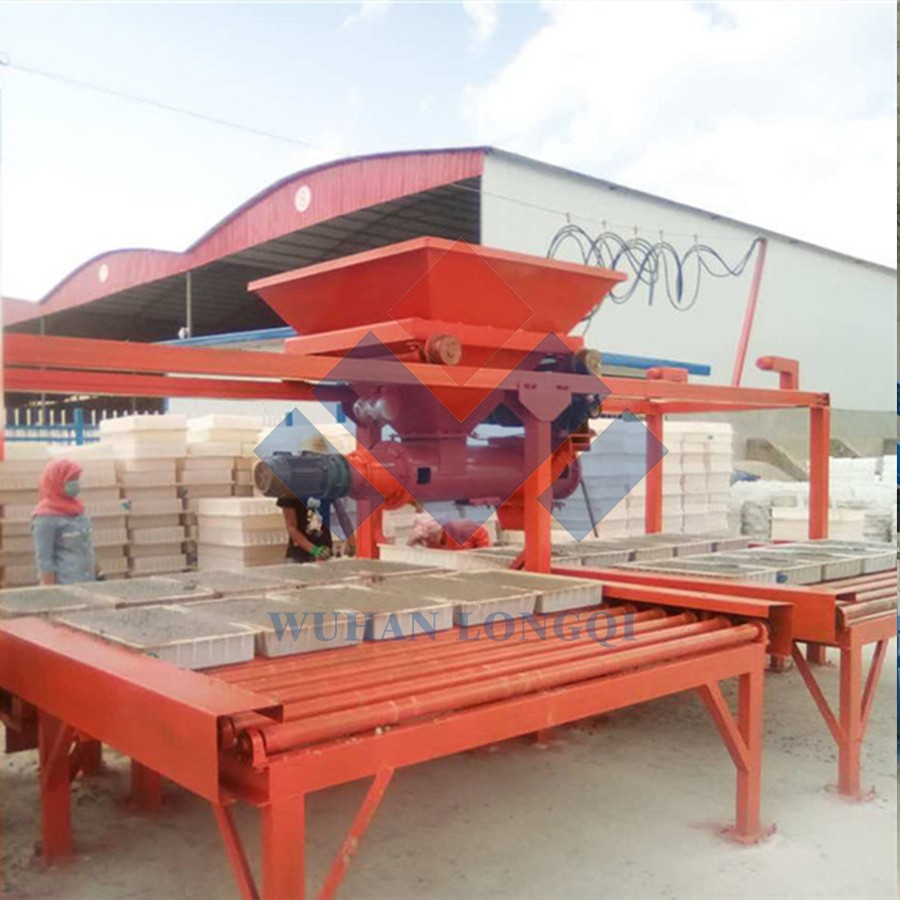
A Precast Concrete Production Machine ensures that each block meets strict quality standards. This precision manufacturing results in blocks that are less likely to crack or deteriorate, even in harsh environmental conditions.

5. Reduced Site Disruption
Using precast concrete block making machines also reduces site disruption during construction. When you produce blocks on - site, you need to set up large mixing and casting areas, which can take up a lot of space and cause noise and dust pollution. This can be a nuisance to the surrounding community and may even have a negative impact on the local environment.
With precast concrete blocks, the production takes place in a factory setting. The blocks are then transported to the construction site and installed quickly. This means that the construction site is less crowded, and there's less noise and dust generated during the building process. For example, in a residential area, a construction project using precast concrete blocks will cause less disruption to the neighbors compared to a project using on - site concrete production.
6. Water Conservation
Water is a precious resource, and precast concrete block making machines can help conserve it. In on - site concrete production, large amounts of water are often used for mixing, cleaning equipment, and curing the concrete. This water is sometimes wasted due to inefficient use or improper management.
Precast concrete block making machines are designed to use water more efficiently. They have closed - loop water systems that recycle and reuse the water used in the production process. For example, the water used for cleaning the molds can be filtered and used again for mixing the concrete. This reduces the overall water consumption during block production.
Why Choose Our Precast Concrete Block Making Machines?
As a supplier of precast concrete block making machines, we offer a range of high - quality machines that are designed to maximize these environmental benefits. Our machines are built with the latest technology to ensure energy efficiency, precision, and durability. Whether you need a Concrete Interlocking Revetment Block Production Machine, a Precast Concrete U Drain Making Machine, or a Precast Concrete Production Machine, we have the right solution for you.
If you're interested in reducing your environmental impact while also improving the efficiency of your concrete block production, we'd love to hear from you. Contact us today to discuss your requirements and find out how our precast concrete block making machines can help you achieve your goals.
References
- "Sustainable Concrete Technology: A Review" by John Smith, Journal of Environmental Construction, 2020.
- "Energy - Efficient Manufacturing in the Construction Industry" by Emily Brown, Construction Today Magazine, 2021.
- "The Environmental Impact of Precast Concrete Production" by David Green, Green Building Research Report, 2019.


