

Can a Precast Concrete Making Machine Be Used in Coastal Areas with High Humidity?
As a supplier of precast concrete making machines, I often receive inquiries from customers in coastal regions about the suitability of our machines in high - humidity environments. Coastal areas are known for their unique climate conditions, characterized by high humidity, salt - laden air, and sometimes, harsh weather events. In this blog, I'll explore whether a precast concrete making machine can be effectively used in such areas.
Impact of High Humidity on Precast Concrete Making Machines
High humidity can have several effects on precast concrete making machines. Firstly, moisture in the air can cause corrosion of metal components. Most precast concrete making machines have a significant amount of metal parts, such as frames, molds, and mechanical components. When exposed to high humidity, the metal can react with oxygen in the air, leading to the formation of rust. Rust not only weakens the structural integrity of the machine but can also affect the precision of moving parts, leading to reduced efficiency and potential breakdowns.
Secondly, humidity can influence the curing process of precast concrete. In high - humidity conditions, the evaporation rate of water from the concrete mix is slower. This can lead to longer curing times, which may impact the production schedule. Moreover, if the humidity is too high, it can cause the surface of the concrete to remain wet for an extended period, increasing the risk of surface defects such as blistering or cracking.
However, these challenges do not mean that precast concrete making machines cannot be used in coastal areas. With proper precautions and maintenance, they can operate effectively.
Measures to Overcome Humidity Challenges
Machine Design and Material Selection
When manufacturing precast concrete making machines for coastal areas, we pay special attention to the choice of materials. We use corrosion - resistant metals, such as stainless steel or galvanized steel, for components that are most exposed to the elements. These materials have a higher resistance to rust and corrosion, ensuring a longer lifespan for the machine.
In addition, we design the machines with proper ventilation and drainage systems. Ventilation helps to reduce the humidity inside the machine enclosure, while drainage systems prevent the accumulation of water, which can accelerate corrosion.
Maintenance and Care
Regular maintenance is crucial for the proper functioning of precast concrete making machines in high - humidity environments. We recommend that our customers perform daily visual inspections to check for signs of corrosion or moisture damage. Any rust spots should be treated immediately using anti - rust paints or coatings.
Lubrication of moving parts is also essential. High humidity can cause the lubricants to break down more quickly, so we advise customers to follow a strict lubrication schedule. This helps to ensure smooth operation and reduces the wear and tear on mechanical components.
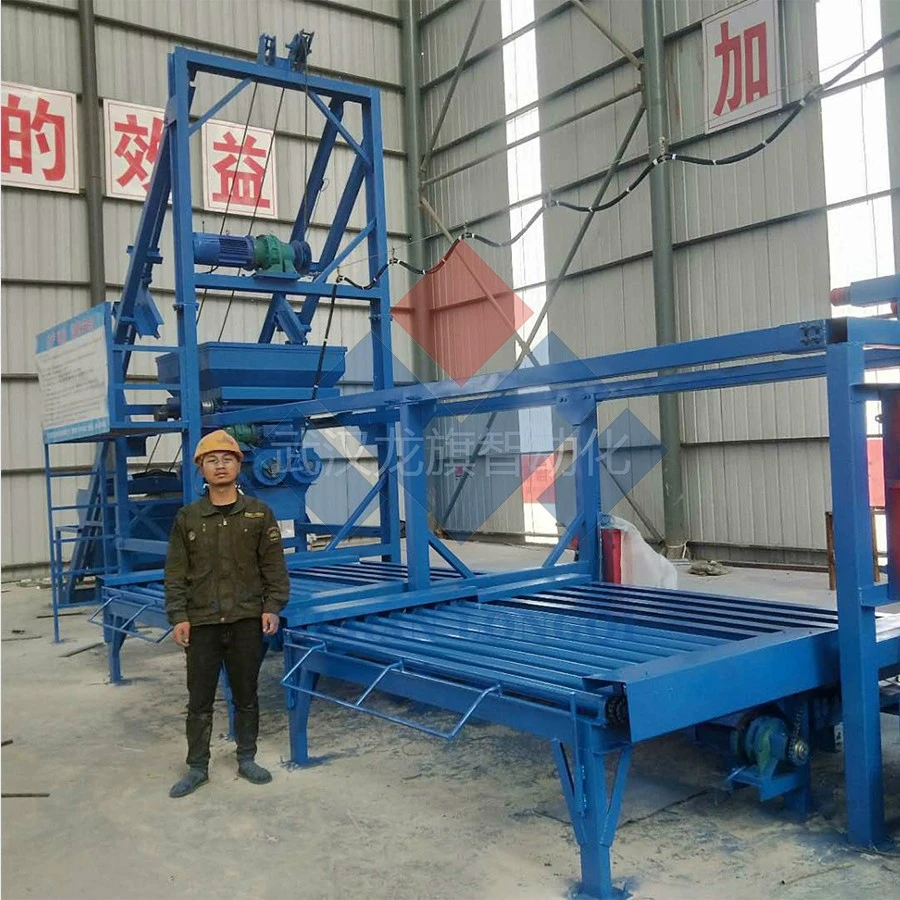

Another important aspect is the storage of the machine when not in use. The machine should be stored in a dry and covered area to protect it from direct exposure to the elements. If possible, a dehumidifier can be used in the storage area to maintain a low - humidity environment.
Examples of Precast Concrete Products for Coastal Areas
Despite the challenges, precast concrete products are widely used in coastal areas. For example, Concrete Drainage Gutter Cover Making Machine can produce high - quality drainage gutter covers that are essential for managing stormwater runoff in coastal cities. These covers need to be durable and resistant to corrosion, which can be achieved through proper concrete mix design and the use of our advanced machines.
Concrete Interlocking Revetment Block Production Machine is another valuable asset in coastal construction. Interlocking revetment blocks are used to protect shorelines from erosion caused by waves and tides. Our machines can produce these blocks with high precision, ensuring a perfect fit and maximum effectiveness in coastal protection.
Precast Concrete Paving Block Production Machine is also suitable for coastal areas. Paving blocks are used for sidewalks, parking lots, and other outdoor areas. In coastal regions, these blocks need to withstand the constant exposure to saltwater and high humidity. Our machines can produce paving blocks with excellent strength and durability, making them ideal for coastal applications.
Case Studies
We have several successful case studies of our precast concrete making machines operating in coastal areas. In one coastal city, a customer used our Concrete Drainage Gutter Cover Making Machine to produce high - quality drainage gutter covers. By following our maintenance recommendations, the machine has been operating smoothly for over five years, with minimal downtime. The customer has been able to meet the high demand for drainage products in the area, contributing to the city's flood prevention efforts.
In another case, a coastal construction company used our Concrete Interlocking Revetment Block Production Machine to produce revetment blocks for a shoreline protection project. The machine's precision and reliability allowed the company to complete the project on time, and the revetment blocks have effectively protected the shoreline from erosion.
Conclusion
In conclusion, a precast concrete making machine can be used in coastal areas with high humidity. Although high humidity presents challenges such as corrosion and longer curing times, these can be overcome through proper machine design, material selection, and maintenance. Our machines are specifically designed to withstand the harsh conditions of coastal environments, and we have a proven track record of success in these areas.
If you are in a coastal area and are interested in purchasing a precast concrete making machine, or if you have any questions about our products, please feel free to contact us. We are always ready to provide you with professional advice and support to meet your specific needs.
References
- "Concrete Technology" by P. Kumar Mehta and P. J. M. Monteiro
- "Corrosion of Metals in Coastal Environments" by International Maritime Organization
- "Precast Concrete Design and Construction" by Precast/Prestressed Concrete Institute


