

As a supplier of precast concrete block making machines, I understand the importance of optimizing mold usage to enhance productivity, reduce costs, and ensure the quality of the final products. In this blog post, I will share some practical tips and strategies on how to optimize the mold usage in a precast concrete block making machine.
Understanding the Basics of Mold Usage
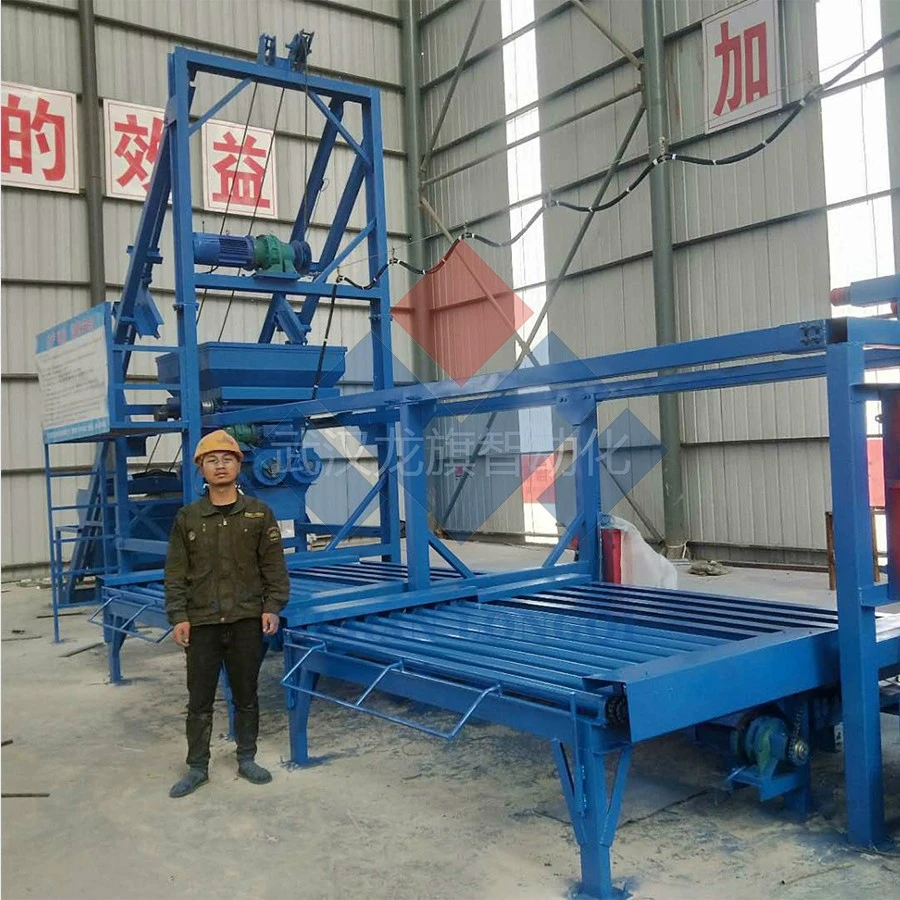
Before diving into optimization strategies, it's crucial to have a solid understanding of how molds work in a precast concrete block making machine. Molds are the tools that shape the concrete into the desired block design. They come in various shapes, sizes, and designs, depending on the type of blocks you want to produce, such as Precast Concrete Paving Block Production Machine, Precast Concrete Production Machine, and Concrete Interlocking Revetment Block Production Machine.
The quality of the molds directly affects the quality of the concrete blocks. Well - designed and properly maintained molds can produce blocks with smooth surfaces, accurate dimensions, and consistent quality. On the other hand, poorly maintained or damaged molds can lead to defects in the blocks, such as cracks, uneven surfaces, and incorrect dimensions.
Selecting the Right Molds
The first step in optimizing mold usage is to select the right molds for your production needs. Here are some factors to consider:
- Block Design: Choose molds that are designed to produce the specific type of blocks you want to make. Consider the shape, size, and texture of the blocks. For example, if you are producing interlocking revetment blocks, you need molds that can create the precise interlocking features.
- Material Quality: The material of the molds is crucial. High - quality materials, such as steel or aluminum, are more durable and can withstand the high pressures and abrasion during the block - making process. They also tend to produce better - quality blocks.
- Compatibility: Ensure that the molds are compatible with your precast concrete block making machine. Check the dimensions, mounting requirements, and operating parameters to avoid any issues during the production process.
Proper Mold Installation
Once you have selected the right molds, proper installation is essential. Incorrect installation can lead to uneven block production, premature mold wear, and even damage to the machine.
- Follow the Manufacturer's Instructions: Always follow the installation instructions provided by the mold manufacturer. These instructions will guide you through the correct mounting process, including the use of appropriate fasteners and alignment procedures.
- Alignment: Make sure the molds are properly aligned with the machine's pressing mechanism. Misaligned molds can cause uneven pressure distribution, resulting in blocks with inconsistent thickness and density.
- Secure Mounting: Ensure that the molds are securely mounted to the machine. Loose molds can move during the production process, leading to defects in the blocks and potential damage to the machine.
Regular Mold Maintenance
Regular maintenance is the key to optimizing mold usage and extending their lifespan. Here are some maintenance tasks to perform:
- Cleaning: After each production cycle, clean the molds thoroughly to remove any residual concrete. Use appropriate cleaning agents and tools to avoid damaging the mold surface. A clean mold surface ensures smooth block release and prevents the buildup of concrete that can affect the block's quality.
- Inspection: Regularly inspect the molds for any signs of wear, damage, or corrosion. Check the edges, corners, and cavities for cracks, chips, or deformation. Early detection of problems allows for timely repairs or replacements, preventing further damage and ensuring consistent block quality.
- Lubrication: Apply a suitable lubricant to the mold surface before each production cycle. Lubrication reduces friction between the mold and the concrete, making it easier to release the blocks and preventing damage to the mold surface.
Optimizing the Concrete Mix
The concrete mix used in the block - making process also has a significant impact on mold usage. A well - designed concrete mix can reduce wear on the molds and improve the quality of the blocks.
- Proper Proportions: Ensure that the concrete mix has the right proportions of cement, aggregates, water, and additives. A balanced mix will have good workability, strength, and durability, which are essential for producing high - quality blocks and reducing stress on the molds.
- Consistency: Maintain a consistent concrete mix throughout the production process. Inconsistent mixes can lead to variations in block density and quality, as well as increased wear on the molds.
- Additives: Consider using additives in the concrete mix to improve its properties. For example, plasticizers can enhance workability, while air - entraining agents can improve freeze - thaw resistance. These additives can also help reduce the adhesion between the concrete and the molds, making block release easier.
Production Process Optimization
Optimizing the production process can also contribute to better mold usage.
- Cycle Time: Adjust the cycle time of the precast concrete block making machine to ensure efficient production. A too - short cycle time may not allow the concrete to properly set, leading to block defects and increased wear on the molds. On the other hand, a too - long cycle time can reduce productivity.
- Pressure and Vibration: Control the pressure and vibration settings of the machine to ensure proper compaction of the concrete. Excessive pressure or vibration can cause unnecessary stress on the molds, leading to premature wear. Find the optimal settings for your specific molds and concrete mix to achieve the best results.
- Block Release: Use proper block release techniques to minimize damage to the molds. Avoid using excessive force to remove the blocks, as this can cause scratches and dents on the mold surface. Instead, use gentle tapping or mechanical release mechanisms.
Training the Operators
Well - trained operators are essential for optimizing mold usage. They should be familiar with the machine's operation, mold installation, maintenance procedures, and production process.
- Technical Training: Provide comprehensive technical training to the operators on how to operate the precast concrete block making machine, install and remove the molds, and perform basic maintenance tasks.
- Quality Control Training: Train the operators on quality control measures to ensure that the blocks produced meet the required standards. This includes inspecting the blocks for defects and adjusting the production process as needed.
- Safety Training: Emphasize safety procedures during the operation of the machine and handling of the molds. Safety is paramount to prevent accidents and ensure the well - being of the operators.
Conclusion
Optimizing the mold usage in a precast concrete block making machine is a multi - faceted process that involves selecting the right molds, proper installation, regular maintenance, optimizing the concrete mix, fine - tuning the production process, and training the operators. By implementing these strategies, you can enhance productivity, reduce costs, and improve the quality of the concrete blocks.
If you are interested in learning more about our precast concrete block making machines or need assistance with mold optimization, we invite you to contact us for a detailed discussion. Our team of experts is ready to provide you with the best solutions tailored to your specific needs.

References
- "Concrete Block and Brick Manufacturing Handbook" by John Doe
- "Mold Design and Manufacturing for Precast Concrete Products" by Jane Smith
- Technical manuals provided by mold and precast concrete block making machine manufacturers.


