

Training the operators of a concrete storm drain cover making machine is crucial for ensuring efficient production, high - quality products, and a safe working environment. As a supplier of Concrete Storm Drain Cover Making Machines, I've seen firsthand how proper training can make or break a production line. In this blog, I'll share some tips on how to train operators effectively.
Understanding the Machine
Before diving into the actual operation, operators need to have a solid understanding of the concrete storm drain cover making machine. This includes its components, functions, and how they all work together.
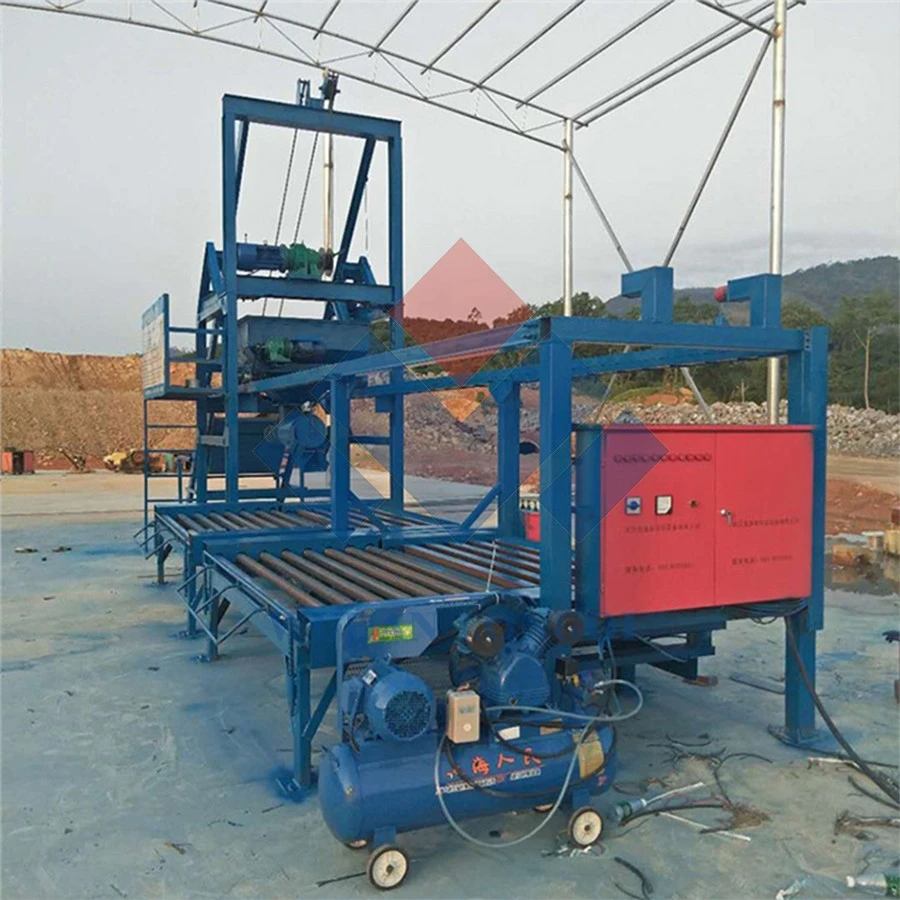
- Component Overview: Start by introducing each part of the machine. For example, explain the hopper where the concrete mixture is loaded, the mold system that shapes the drain covers, and the vibration system that ensures proper compaction of the concrete. You can use the machine's manual and visual aids like diagrams or videos to make the learning process easier.
- Function Explanation: Once operators know the components, explain what each one does. The conveyor system, for instance, transports the raw materials to the appropriate parts of the machine. The hydraulic system powers the movement of the mold and other mechanical parts. Understanding these functions will help operators troubleshoot minor issues on their own.
Safety Training
Safety should always be the top priority when operating any heavy machinery. Here are some key safety points to cover during training.
- Personal Protective Equipment (PPE): Make sure operators know what PPE they need to wear at all times. This typically includes safety glasses, hard hats, gloves, and steel - toed boots. Explain why each piece of equipment is important, like how safety glasses protect the eyes from flying debris.
- Machine Safety Features: Familiarize operators with the safety features of the concrete storm drain cover making machine. These may include emergency stop buttons, safety guards, and interlock systems. Teach them when and how to use these features properly.
- Safe Operating Procedures: Outline the correct steps for starting, operating, and shutting down the machine. For example, operators should always check for any loose parts or debris before starting the machine. They also need to follow the correct sequence when loading the concrete mixture and operating the mold.
Hands - on Training
There's no substitute for hands - on experience when it comes to operating a machine.
- Supervised Practice: Start with supervised practice sessions. Allow operators to perform basic tasks under the guidance of an experienced trainer. For example, they can start by loading the concrete mixture into the hopper or operating the conveyor system. The trainer can provide immediate feedback and correct any mistakes.
- Gradual Skill Progression: As operators become more comfortable with the basic tasks, gradually introduce more complex operations. This could include adjusting the mold settings to produce different sizes of drain covers or fine - tuning the vibration system for better compaction.
- Problem - Solving Exercises: During hands - on training, present operators with common problems that they may encounter during production. For example, a clogged hopper or a misaligned mold. Guide them through the process of identifying the problem and finding a solution.
Quality Control Training
Producing high - quality concrete storm drain covers is essential for customer satisfaction.
- Inspection Standards: Teach operators the inspection standards for concrete storm drain covers. This includes checking for proper dimensions, surface finish, and strength. Provide them with measuring tools like calipers and rulers and show them how to use them correctly.
- Quality Assurance Procedures: Explain the quality assurance procedures that need to be followed during production. For example, operators should regularly check the concrete mixture for the correct consistency and ensure that the mold is clean and well - maintained.
- Defect Identification and Correction: Train operators to identify common defects in the drain covers, such as cracks, air pockets, or uneven surfaces. Teach them how to correct these defects or take appropriate measures if the defect cannot be fixed.
Maintenance Training
Proper maintenance of the concrete storm drain cover making machine is crucial for its longevity and efficient operation.
- Daily Maintenance Tasks: Show operators the daily maintenance tasks that need to be performed, such as cleaning the machine, lubricating moving parts, and checking for any signs of wear and tear. Provide them with a maintenance checklist to ensure that nothing is overlooked.
- Periodic Maintenance: Explain the periodic maintenance tasks, such as replacing worn - out parts or servicing the hydraulic system. Schedule regular maintenance intervals and train operators on how to perform these tasks or when to call in a professional technician.
- Maintenance Records: Teach operators the importance of keeping maintenance records. These records can help track the machine's performance over time, identify recurring problems, and plan for future maintenance.
Continuous Learning and Support
Training doesn't end after the initial sessions. Operators should have access to continuous learning resources and support.
- Training Updates: As the machine technology evolves or new production techniques are developed, provide operators with training updates. This could be in the form of workshops, online courses, or on - the - job training sessions.
- Technical Support: Offer technical support to operators when they encounter problems that they cannot solve on their own. This could be through a dedicated support hotline or an online support platform.
- Operator Feedback: Encourage operators to provide feedback on the training process and the machine's performance. This feedback can be used to improve the training program and make any necessary adjustments to the machine.
Related Machines
If your production needs expand beyond concrete storm drain covers, you might be interested in some of our other machines. Check out our High Speed Rail Concrete Boundary Grill Production Machine, Precast Concrete U Drain Making Machine, and Solid Hexagonal Slope Paving Block Machinery. These machines are designed to meet different precast concrete production requirements.

In conclusion, training the operators of a concrete storm drain cover making machine is a comprehensive process that involves understanding the machine, safety training, hands - on practice, quality control, maintenance, and continuous learning. By providing thorough training, you can ensure that your operators are skilled, productive, and safe. If you're interested in purchasing a concrete storm drain cover making machine or need more information about our training programs, don't hesitate to contact us for a procurement discussion.
References
- Manufacturer's manual for the concrete storm drain cover making machine
- Industry - standard safety guidelines for heavy machinery operation
- Best practices in precast concrete production


