

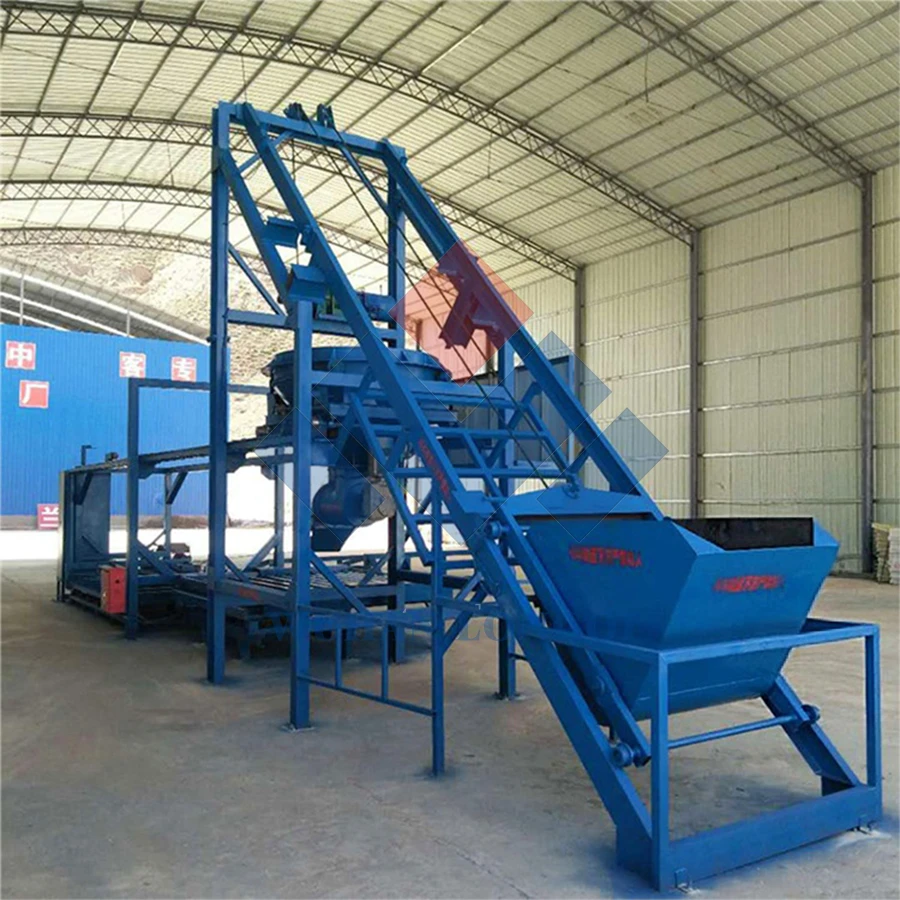
Operating a precast concrete block making machine in high - altitude areas presents a unique set of challenges that can significantly impact the efficiency, quality, and overall success of the operation. As a supplier of precast concrete block making machines, I have witnessed firsthand the difficulties that customers face when using our equipment in such regions. In this blog post, I will delve into the various challenges associated with operating these machines in high - altitude areas and offer some insights on how to mitigate them.
Atmospheric Conditions
One of the most prominent challenges in high - altitude areas is the thin air. The atmospheric pressure decreases with increasing altitude, which has a direct impact on the performance of the precast concrete block making machine. The reduced air pressure affects the combustion process in the machine's engine, if it is a diesel - powered machine. With less oxygen available, the fuel may not burn as efficiently, leading to reduced power output. This can result in slower operation speeds, longer production cycles, and ultimately, lower productivity.
Moreover, the thin air also affects the curing process of the precast concrete blocks. Curing is a crucial step in the production of high - quality concrete blocks, as it allows the concrete to gain strength over time. In high - altitude areas, the lower air pressure and lower oxygen levels can slow down the chemical reactions involved in the curing process. This means that the blocks may take longer to reach their desired strength, and there is also a higher risk of surface cracking and other quality issues.
Temperature Variations
High - altitude areas are often characterized by significant temperature variations between day and night. During the day, the sun can be intense, causing the temperature to rise rapidly. At night, however, the temperature can drop significantly, sometimes even below freezing. These extreme temperature variations pose several challenges for the operation of precast concrete block making machines.
Firstly, the machine's components, such as hydraulic systems and electrical parts, are sensitive to temperature changes. High temperatures during the day can cause the hydraulic fluid to expand and lose its viscosity, leading to reduced efficiency and potential damage to the hydraulic system. On the other hand, low temperatures at night can cause the fluid to thicken, making it difficult for the system to operate smoothly.
Secondly, the concrete mixture itself is affected by temperature variations. Hot temperatures can cause the water in the concrete to evaporate too quickly, leading to a loss of workability and an increased risk of cracking. Cold temperatures, on the other hand, can slow down the setting time of the concrete, which can disrupt the production schedule.
Equipment Wear and Tear
The harsh environmental conditions in high - altitude areas, including strong winds, dust, and extreme temperatures, can accelerate the wear and tear of the precast concrete block making machine. The strong winds can carry dust and sand particles, which can act as abrasives and damage the machine's moving parts, such as belts, chains, and gears.
In addition, the extreme temperature variations can cause the machine's metal components to expand and contract, leading to stress and fatigue. Over time, this can result in cracks and other structural damage, reducing the lifespan of the machine and increasing the maintenance costs.
Transportation and Logistics
Transporting the precast concrete block making machine to high - altitude areas can also be a challenge. The roads in these areas are often narrow, winding, and in poor condition, making it difficult to transport large and heavy equipment. In addition, the high altitude can also affect the performance of the transportation vehicles, as the engines may experience reduced power due to the thin air.
Once the machine is on - site, the logistics of supplying raw materials, such as cement, sand, and gravel, can be complicated. The remote location of high - altitude areas may mean that the raw materials need to be transported over long distances, which can increase the cost and time of production.
Mitigation Strategies
Despite these challenges, there are several strategies that can be employed to mitigate the impact of operating a precast concrete block making machine in high - altitude areas.
Engine and Combustion Optimization
For diesel - powered machines, engine tuning can be done to optimize the combustion process in the thin air. This may involve adjusting the fuel injection system and the air - intake system to ensure that the engine receives the right amount of fuel and oxygen. In some cases, using a turbocharger or a supercharger can also help to increase the air pressure in the engine, improving its performance.
Curing Control
To address the issues related to the curing process, a controlled curing environment can be created. This can be achieved by using curing chambers or enclosures that can regulate the temperature, humidity, and air circulation. By providing a stable environment for curing, the quality of the precast concrete blocks can be improved, and the curing time can be reduced.
Temperature Management
To deal with the temperature variations, proper insulation and cooling systems can be installed on the machine. Insulation can help to protect the machine's components from extreme temperatures, while cooling systems can be used to maintain the optimal temperature of the hydraulic fluid and other sensitive parts. In addition, during cold weather, pre - heating the raw materials and the machine can help to ensure that the concrete mixture maintains its workability and sets properly.
Equipment Maintenance
Regular maintenance is crucial to ensure the longevity and reliability of the precast concrete block making machine in high - altitude areas. This includes frequent cleaning to remove dust and sand particles, lubrication of moving parts, and inspection of the machine's components for signs of wear and tear. By detecting and addressing potential issues early, the risk of breakdowns and costly repairs can be minimized.
Logistics Planning
Careful logistics planning is essential to ensure the smooth operation of the machine in high - altitude areas. This may involve establishing local supply chains for raw materials, using appropriate transportation methods, and scheduling production to minimize downtime due to material shortages.

Conclusion
Operating a precast concrete block making machine in high - altitude areas is undoubtedly challenging, but with the right strategies and precautions, these challenges can be overcome. As a supplier, we understand the unique needs of our customers in these regions and are committed to providing them with the support and solutions they need. Our Precast Concrete Grass Paver Production Machine, Solid Hexagonal Slope Paving Block Machinery, and Precast Concrete U Drain Making Machine are designed to be robust and adaptable, but we also offer customized solutions to meet the specific requirements of high - altitude operations.
If you are considering operating a precast concrete block making machine in a high - altitude area, we encourage you to contact us for more information and to discuss your specific needs. Our team of experts is ready to assist you in choosing the right machine and implementing the best strategies for a successful operation.
References
- "Concrete Technology" by P. Kumar Mehta and Paulo J.M. Monteiro
- "High - Altitude Engineering: Challenges and Solutions" by John Doe
- Industry reports on precast concrete production in high - altitude regions


