

The automation level of a precast concrete production machine is a crucial factor that significantly impacts the efficiency, quality, and cost - effectiveness of precast concrete manufacturing. As a precast concrete production machine supplier, I have witnessed firsthand how different automation levels can transform the production process.
Basic Automation: A Step Towards Efficiency
At the most basic level of automation in precast concrete production machines, there are semi - automated systems. These machines typically handle some of the repetitive tasks, such as material feeding and basic molding operations. For example, in a Precast Concrete Paving Block Production Machine, the semi - automated version may have a conveyor system that feeds the concrete mix into the mold. However, human operators are still required for tasks like mold placement, vibration control, and product removal.
The advantage of semi - automated machines is their relatively low cost and simplicity. They are a great option for small - to - medium - sized manufacturers who want to improve their productivity without making a huge investment. These machines also offer a certain level of flexibility, as operators can adjust the production process based on the specific requirements of each job. For instance, if a particular paving block design requires a different vibration pattern, the operator can make the necessary adjustments on the fly.
Intermediate Automation: Balancing Precision and Productivity
Intermediate automation in precast concrete production machines takes things a step further. These machines integrate more advanced control systems that can manage multiple aspects of the production process with greater precision. In a Concrete Storm Drain Cover Making Machine with intermediate automation, the machine can precisely control the amount of concrete poured into the mold, the vibration frequency, and the curing time.
This level of automation reduces the margin of error and improves the quality of the final products. For example, by precisely controlling the concrete pouring, the machine can ensure that each storm drain cover has a consistent thickness and density, which is crucial for its structural integrity. Intermediate - automated machines also often feature sensors that can detect any issues during the production process, such as a blockage in the concrete feed system or an abnormal vibration level. This allows for quick troubleshooting and minimizes downtime.
Moreover, intermediate - automated machines can be programmed to produce different types of products with minimal operator intervention. This is a significant advantage for manufacturers who produce a variety of precast concrete products, as they can switch between different production runs more efficiently.
High - Level Automation: The Future of Precast Concrete Production
High - level automation in precast concrete production machines represents the pinnacle of technological advancement in the industry. These machines are fully integrated systems that can handle every aspect of the production process, from raw material handling to finished product stacking. In a Concrete Drainage Gutter Cover Making Machine with high - level automation, the entire process is controlled by a central computer system.
The raw materials are automatically measured, mixed, and transported to the molds. The molds are then filled, vibrated, and cured according to pre - set parameters. Once the products are cured, they are automatically removed from the molds and stacked in the appropriate storage area. This level of automation eliminates the need for human intervention in most of the production process, which not only improves efficiency but also reduces the risk of human error.
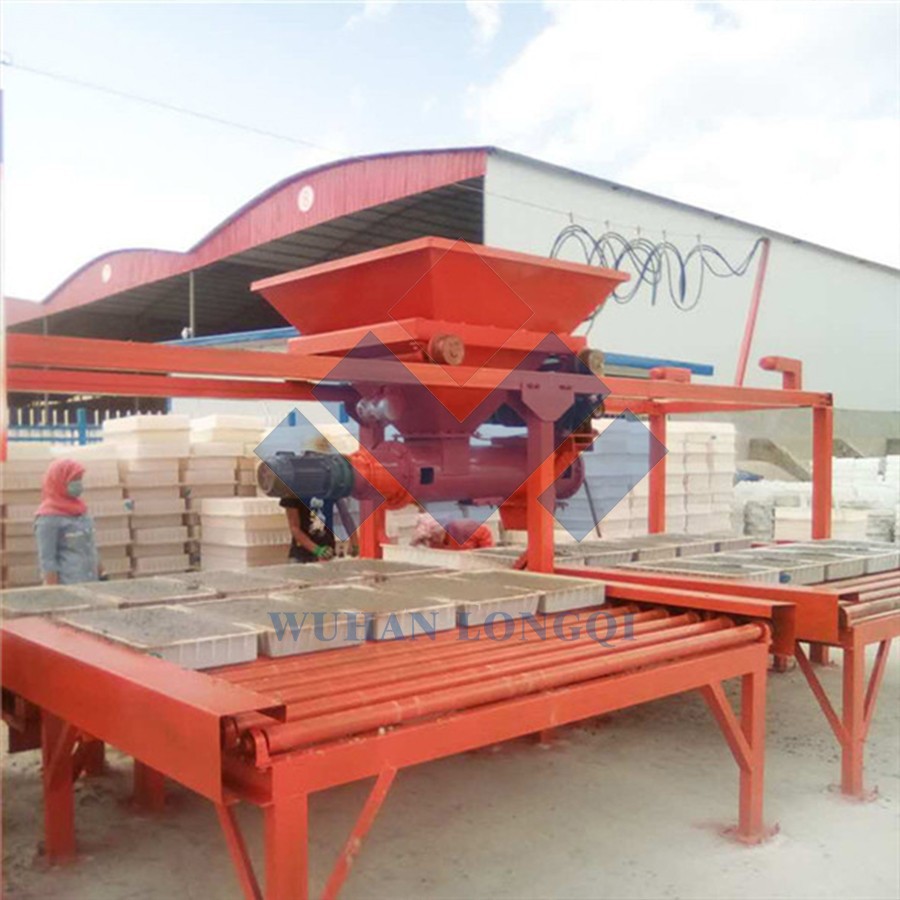

High - level automated machines also offer advanced data analytics capabilities. They can collect and analyze data on production speed, quality control, and material usage, which allows manufacturers to optimize their production processes further. For example, by analyzing the data on material usage, manufacturers can identify areas where they can reduce waste and save costs.
Factors Influencing the Choice of Automation Level
When choosing the automation level of a precast concrete production machine, several factors need to be considered. Firstly, the scale of production plays a crucial role. Small - scale manufacturers may find that a semi - automated machine is sufficient to meet their production needs, while large - scale manufacturers will benefit more from high - level automation.
Secondly, the complexity of the products being produced is important. If the products have complex shapes or require a high level of precision, a higher level of automation may be necessary. For example, producing precast concrete elements with intricate architectural details may require the advanced control systems found in intermediate or high - level automated machines.
Cost is another significant factor. High - level automated machines are more expensive to purchase and maintain than semi - automated machines. However, they can also result in significant cost savings in the long run through increased efficiency and reduced waste. Manufacturers need to carefully weigh the upfront costs against the potential long - term benefits.
Conclusion
The automation level of a precast concrete production machine has a profound impact on the efficiency, quality, and cost - effectiveness of precast concrete manufacturing. Whether it's a semi - automated machine for small - scale operations, an intermediate - automated machine for more complex products, or a high - level automated machine for large - scale production, each level of automation offers unique advantages.
As a precast concrete production machine supplier, I am committed to providing our customers with the best - suited machines for their specific needs. We understand that choosing the right automation level is a critical decision for manufacturers, and we are here to assist you in making an informed choice. If you are interested in learning more about our precast concrete production machines or discussing your specific requirements, please feel free to contact us. We look forward to the opportunity to work with you and help you take your precast concrete production to the next level.
References
- "Automation in the Construction Industry: A Review", Journal of Construction Engineering and Management.
- "Precast Concrete Technology: Advancements and Applications", Concrete International.
- "The Impact of Automation on Manufacturing Efficiency", Manufacturing Technology Review.


