

The development history of concrete storm drain cover production machines is a fascinating journey that reflects the evolution of construction technology, industrial manufacturing, and the growing need for efficient infrastructure solutions. As a supplier of concrete storm drain cover production machines, I have witnessed firsthand the remarkable changes and advancements in this field over the years.
Early Beginnings: Manual Labor and Basic Tools
The story of concrete storm drain cover production machines begins in the early days of concrete usage. In the past, the production of storm drain covers was a labor - intensive process. Workers would mix concrete by hand in large tubs, using simple tools like shovels and buckets. The mixture was then poured into crude wooden molds, which were often handmade and had limited precision.
These early molds were basic in design, and the forming process relied on manual compaction. Workers would use hammers or other simple implements to try and ensure that the concrete filled the mold evenly and achieved the necessary density. This primitive method was not only time - consuming but also resulted in storm drain covers of inconsistent quality. The strength, dimensions, and surface finish of the covers varied widely, which affected their performance and durability.
The Advent of Mechanical Mixers
The first major milestone in the development of concrete storm drain cover production machines was the invention of mechanical mixers. These machines revolutionized the concrete mixing process by automating what was once a manual task. Mechanical mixers could blend cement, aggregates, and water more uniformly and in larger quantities than human labor could manage.
The introduction of mechanical mixers led to a significant improvement in the quality of the concrete used for storm drain covers. The more consistent mixing ensured that the covers had better strength and durability. Additionally, the increased production capacity allowed for a larger number of storm drain covers to be produced in a shorter period, which was essential as urbanization was on the rise and the demand for infrastructure was growing rapidly.
Hydraulic Presses and Automated Molding
As technology continued to progress, hydraulic presses were introduced into the production of concrete storm drain covers. Hydraulic presses use the power of hydraulic fluid to apply a large amount of force, which is crucial for compacting the concrete in the molds. This compaction process significantly improves the density and strength of the storm drain covers.
Automated molding systems also became an integral part of the production process. These systems could precisely control the filling of the molds with concrete, ensuring that each storm drain cover had the correct shape and dimensions. The use of automated molding reduced human error and increased the repeatability of the production process. As a result, the quality of the storm drain covers became more consistent, meeting the strict standards required for use in various infrastructure projects.
Computer - Controlled Production
In recent decades, computer - controlled technology has transformed the concrete storm drain cover production industry. Computer - controlled machines can monitor and adjust every aspect of the production process, from the mixing of the concrete to the molding and curing of the storm drain covers.
These machines can precisely control the amount of raw materials used, the mixing time, the pressure applied during compaction, and the temperature and humidity during the curing process. This level of precision has led to a significant improvement in the quality and performance of concrete storm drain covers. Computer - controlled machines can also optimize the production process, reducing waste and increasing efficiency.
Integration of Advanced Materials and Design
Another important aspect of the development of concrete storm drain cover production machines is the integration of advanced materials and design concepts. Modern storm drain covers are not just simple slabs of concrete; they are engineered products that incorporate new materials to enhance their performance.
For example, some storm drain covers now use fiber - reinforced concrete, which has better crack resistance and durability. The design of the covers has also become more sophisticated, with features such as anti - slip surfaces, noise - reducing properties, and improved load - bearing capabilities. Our production machines are designed to accommodate these new materials and design requirements, allowing us to produce high - quality storm drain covers that meet the diverse needs of our customers.
The Role of Environmental Considerations
In recent years, environmental considerations have also played a significant role in the development of concrete storm drain cover production machines. There is a growing demand for sustainable and eco - friendly production methods. Our machines are designed to minimize waste and energy consumption.
For instance, we have developed machines that can recycle excess concrete and use energy - efficient components. This not only reduces the environmental impact of the production process but also helps our customers meet their sustainability goals.
Related Products and Their Significance
In addition to concrete storm drain cover production machines, we also offer a range of related products. One such product is the Highway Cutting Slopes Paving Block Production Machine. This machine is used to produce paving blocks for highway cutting slopes, which are essential for preventing soil erosion and providing a stable surface for vehicles.

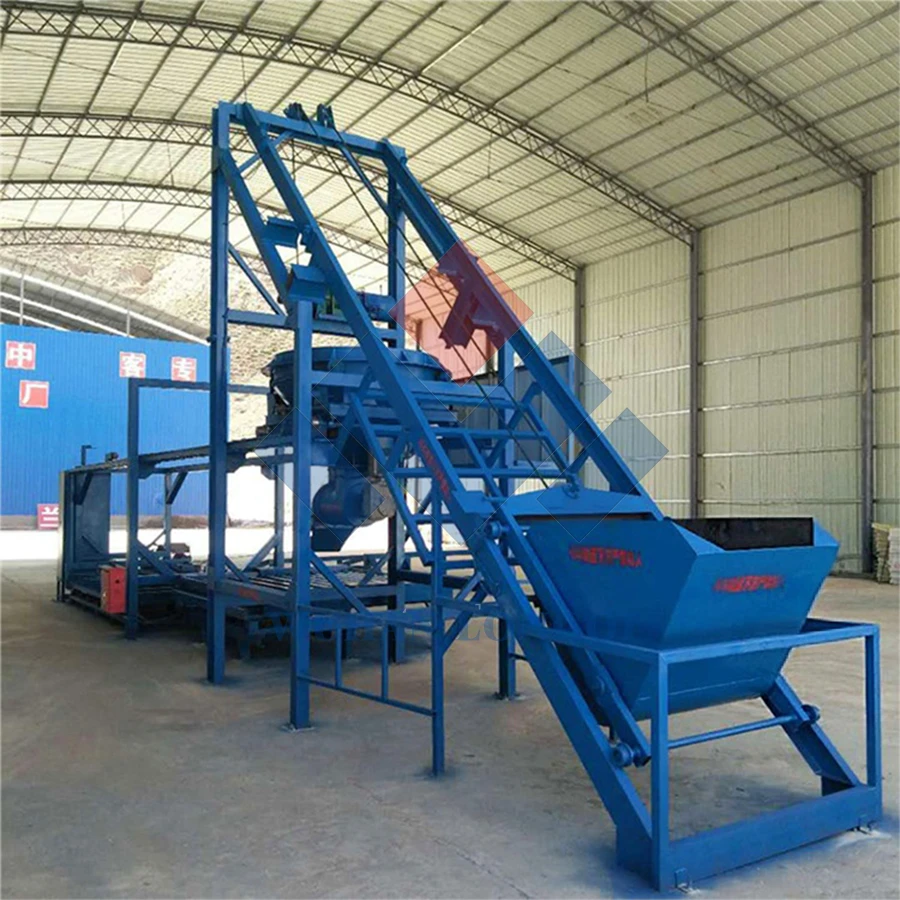
Our Precast Concrete Production Equipment and Molds are also highly sought after. These products are designed to produce a variety of precast concrete elements, including storm drain covers, with high precision and efficiency.
Another important product is the Solid Hexagonal Slope Paving Block Machinery. This machinery is used to produce solid hexagonal slope paving blocks, which are widely used in slope protection and landscaping projects.
Looking to the Future
The future of concrete storm drain cover production machines looks promising. We expect to see further advancements in technology, such as the use of artificial intelligence and robotics in the production process. These technologies will further improve the efficiency, quality, and sustainability of our production.
As the demand for infrastructure continues to grow, especially in developing countries, the need for high - quality concrete storm drain covers will also increase. We are committed to staying at the forefront of this industry by continuously investing in research and development and by offering innovative solutions to our customers.
Contact for Purchase and洽谈
If you are interested in our concrete storm drain cover production machines or any of our related products, we encourage you to reach out to us. We have a team of experts who can provide you with detailed information, answer your questions, and assist you in making the right purchasing decision. Whether you are a small - scale contractor or a large - scale infrastructure developer, we have the solutions to meet your needs.
References
- "Concrete Technology: Principles and Practice" by David Mindess, Young - Joo Yang, and Soroush Masoumi.
- "Precast Concrete Structures" by D. P. Thambiratnam and A. M. Reza.
- Industry reports on construction machinery and infrastructure development.


