

Hey there! As a supplier of Precast Concrete Production Machines, I often get asked about the wear-and-tear rate of parts in these machines. It's a crucial topic, especially for those looking to invest in precast concrete production. In this blog, I'll break down what affects the wear-and-tear rate and how you can manage it.
First off, let's understand what precast concrete production machines are all about. These machines are used to manufacture a wide range of precast concrete products, such as Concrete Interlocking Revetment Block Production Machine, Precast Concrete Curbstone Machinery, and many more. They play a vital role in the construction industry, as precast concrete products offer numerous advantages like better quality control, faster construction times, and cost savings.
Now, let's dive into the factors that influence the wear-and-tear rate of parts in precast concrete production machines.
1. Material Quality
The quality of the materials used in the machine parts is a major factor. High-quality materials are more resistant to wear and tear. For example, if the molds in a Precast Concrete Production Equipment and Molds are made from low-grade steel, they'll likely wear out faster compared to those made from high-grade, hardened steel. The same goes for other components like conveyor belts, hydraulic cylinders, and vibration motors. Using inferior materials can lead to frequent breakdowns and replacements, which can be costly in the long run.
2. Operating Conditions
The environment in which the machine operates also has a significant impact on the wear-and-tear rate. If the machine is used in a dusty or humid environment, it can accelerate the wear of parts. Dust can get into moving parts and cause abrasion, while humidity can lead to corrosion. For instance, if a precast concrete production machine is located near a coastal area where the air is salty and humid, the metal parts are more likely to rust. Additionally, the frequency of operation matters. Machines that are run continuously for long hours without proper breaks will experience more wear and tear than those that are used intermittently.
3. Maintenance Practices
Proper maintenance is key to reducing the wear-and-tear rate. Regular cleaning, lubrication, and inspection can prevent small issues from turning into major problems. For example, lubricating the moving parts at the recommended intervals can reduce friction and wear. Checking for loose bolts, worn-out belts, and leaks on a regular basis can also help identify potential issues early. However, if maintenance is neglected, the wear-and-tear rate will increase significantly. A lack of maintenance can lead to premature failure of parts, which can disrupt production and increase costs.
4. Operator Skills
The skills and experience of the machine operators can also affect the wear-and-tear rate. A well-trained operator knows how to operate the machine correctly, which can minimize unnecessary stress on the parts. For example, an experienced operator will know the right speed and pressure settings for different types of precast concrete products. On the other hand, an inexperienced operator may overwork the machine or use it in an improper way, which can lead to increased wear and tear.
Measuring the Wear-and-Tear Rate
Measuring the wear-and-tear rate can be a bit tricky, but there are a few methods that can be used. One common way is to monitor the performance of the machine over time. If the machine starts to produce products of lower quality or if there is a decrease in its production speed, it could be a sign of increased wear and tear. Another method is to conduct regular inspections of the parts. By comparing the condition of the parts over time, you can get an idea of how quickly they are wearing out. For example, you can measure the thickness of the mold walls or the diameter of the shafts to see if they are decreasing due to wear.
Managing the Wear-and-Tear Rate
Now that we know what affects the wear-and-tear rate, let's talk about how to manage it.
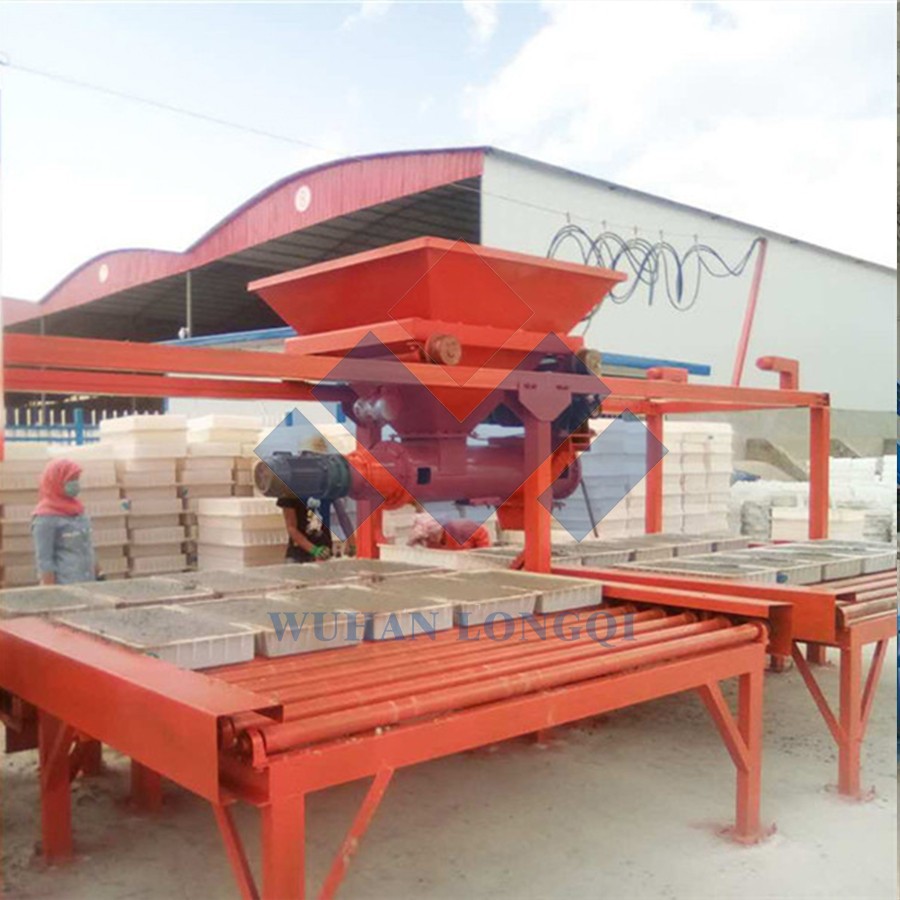

- Choose High-Quality Machines and Parts: When purchasing a precast concrete production machine, make sure to choose a reliable supplier that uses high-quality materials. This will reduce the likelihood of frequent part replacements.
- Optimize Operating Conditions: Try to keep the machine in a clean and dry environment. If necessary, use dust collectors and dehumidifiers. Also, avoid overworking the machine and give it regular breaks.
- Implement a Maintenance Schedule: Develop a comprehensive maintenance schedule and stick to it. This should include regular cleaning, lubrication, inspection, and replacement of worn-out parts.
- Train Your Operators: Provide proper training to your machine operators. Make sure they understand how to operate the machine correctly and how to identify signs of wear and tear.
In conclusion, understanding the wear-and-tear rate of parts in precast concrete production machines is crucial for anyone involved in the precast concrete industry. By considering the factors that influence the wear-and-tear rate and implementing effective management strategies, you can extend the lifespan of your machine and reduce costs.
If you're in the market for a precast concrete production machine or need more information about managing wear and tear, feel free to reach out. We're here to help you make the best decisions for your business.
References
- Concrete Technology Handbook
- Machinery Maintenance Best Practices Guide


