

Transportation requirements for precast concrete machines are crucial aspects that need to be carefully considered by both suppliers and buyers. As a supplier of precast concrete machines, I understand the significance of ensuring that these machines are transported safely and efficiently to their destinations. In this blog, I will discuss the key transportation requirements for precast concrete machines, including packaging, shipping methods, and handling procedures.
Packaging
Proper packaging is the first step in ensuring the safe transportation of precast concrete machines. These machines are large, heavy, and often have delicate components that can be easily damaged during transit. Therefore, it is essential to use high - quality packaging materials and techniques to protect them.

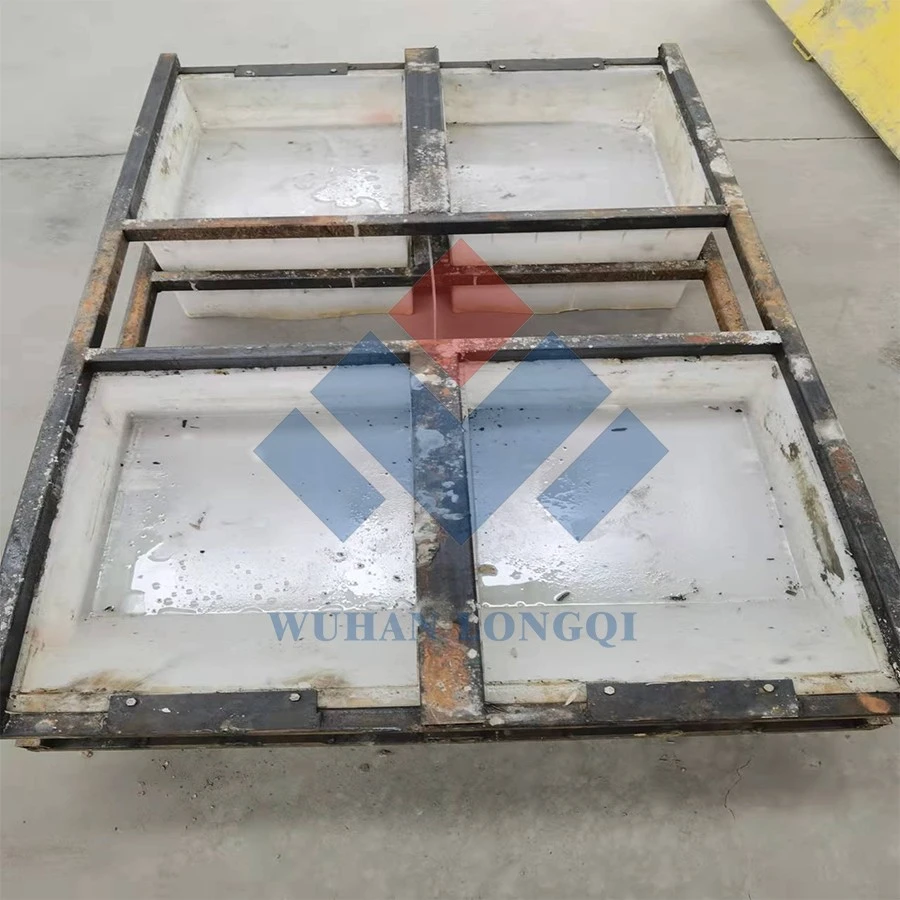
For smaller components of precast concrete machines, such as electrical parts, control panels, and small tools, they should be packed in sturdy cardboard boxes or plastic containers. These containers should be filled with shock - absorbing materials like foam, bubble wrap, or packing peanuts to prevent any movement that could cause damage. Labels indicating the contents, handling instructions, and fragile markings should be clearly affixed to the boxes.
Larger components, such as the main frame, mold systems, and vibration tables, require more robust packaging. They are typically wrapped in protective materials such as polyethylene sheets to prevent scratches and corrosion. Metal frames may be coated with anti - rust agents before wrapping. Additionally, wooden crates can be used to provide extra protection. The components should be securely fastened inside the crates to prevent shifting during transportation. For example, bolts and brackets can be used to fix the parts in place, and cross - bracing can be added to strengthen the crate structure.
When it comes to our Precast Concrete Curbstone Machinery, we pay special attention to its packaging. The unique design and precision parts of this machinery demand a high - level of protection. The molds, which are critical for the production of curbstones, are carefully wrapped and placed in custom - made crates to ensure they arrive at the destination in perfect condition.
Shipping Methods
The choice of shipping method depends on several factors, including the size and weight of the precast concrete machine, the destination, and the urgency of delivery.
Road Transportation
Road transportation is a common option for local or regional deliveries. It offers flexibility in terms of pick - up and drop - off locations. Trucks can directly deliver the machines to the customer's site, eliminating the need for additional transfers. However, there are limitations to road transportation. The size and weight of the load are restricted by local traffic regulations. Oversized or overweight loads may require special permits and escorts. For example, if a precast concrete machine is too wide or tall, it may need to be transported at night or on specific routes to avoid traffic congestion and comply with height and width restrictions.
Rail Transportation
Rail transportation is suitable for long - distance domestic shipments. It can handle large and heavy loads more efficiently than road transportation in some cases. Rails have fewer weight and size restrictions compared to roads, allowing for the transportation of larger precast concrete machines. However, rail transportation requires a transfer from the rail yard to the final destination, which can add complexity and time to the delivery process. Specialized loading and unloading equipment, such as cranes, are needed at the rail yard to move the machines onto and off the railcars.
Sea Transportation
For international shipments, sea transportation is often the most cost - effective option. Precast concrete machines can be shipped in containers or as break - bulk cargo. Container shipping is more secure and convenient as the machines are protected inside the container. Standard 20 - foot or 40 - foot containers can be used depending on the size of the machine. Break - bulk cargo involves loading the individual components of the machine directly onto the ship's deck or hold. This method is suitable for very large or irregularly shaped machines that cannot fit into containers. However, break - bulk shipping requires more careful handling and stowage to prevent damage.
Our Precast Concrete Grass Paver Production Machine has been successfully shipped to various international destinations via sea transportation. We work closely with shipping agents to ensure that the machines are properly loaded and secured on the vessels, taking into account factors such as sea conditions and the duration of the journey.
Handling Procedures
Proper handling procedures are essential at every stage of the transportation process, from loading at the supplier's facility to unloading at the customer's site.
Loading
At the supplier's facility, trained personnel should be responsible for loading the precast concrete machines onto the transportation vehicle. They should use appropriate lifting equipment, such as forklifts, cranes, or hoists, depending on the size and weight of the components. The lifting points on the machines should be clearly marked, and the equipment should be attached securely to these points. During the loading process, the machines should be lifted and placed gently to avoid any sudden impacts or vibrations that could damage the components.
Transit
During transit, the machines should be monitored regularly, especially if they are being transported over long distances. For road transportation, drivers should be trained to drive carefully, avoiding sudden stops, starts, and sharp turns. In the case of sea transportation, the vessels should be equipped with proper securing systems to prevent the machines from shifting due to the movement of the ship. Weather conditions, such as high winds or rough seas, should also be taken into account, and appropriate measures should be taken to protect the machines.
Unloading
Unloading at the customer's site should be carried out with the same level of care as loading. The customer should have a clear plan for receiving the machines, including having the necessary equipment and personnel ready. The unloading process should follow the reverse steps of the loading process, using the correct lifting and handling equipment. Once the machines are unloaded, they should be inspected for any signs of damage. If any damage is found, it should be documented and reported immediately to the supplier and the transportation company.
Our Hollow Hexagonal Revetment Block Production Machine is a complex piece of equipment that requires precise handling during transportation. We provide detailed handling instructions to our customers to ensure that the machine is installed and commissioned correctly after delivery.
Insurance
Insurance is an important aspect of transporting precast concrete machines. It provides financial protection in case of damage, loss, or theft during transit. Both the supplier and the customer should carefully consider the insurance coverage. The supplier may offer insurance as part of the delivery service, or the customer can arrange their own insurance. The insurance policy should cover the full value of the precast concrete machine, including the cost of the machine itself, packaging, and shipping. It is important to read the terms and conditions of the insurance policy carefully to understand what is covered and what is excluded.
Conclusion
Transporting precast concrete machines requires careful planning and attention to detail. From proper packaging to choosing the right shipping method and following strict handling procedures, every step is crucial to ensure that the machines arrive at the customer's site in good condition. As a precast concrete machine supplier, we are committed to providing high - quality products and ensuring their safe and timely delivery. If you are interested in our precast concrete machines and would like to discuss the transportation requirements or place an order, please feel free to contact us for further information and procurement negotiation.
References
- "Transportation of Heavy Machinery: Best Practices" - Industry Handbook on Heavy Equipment Logistics
- "Packaging Guidelines for Industrial Equipment" - International Packaging Standards Organization
- "Shipping Regulations for Oversized and Heavy Loads" - National Transportation Authority Publications


