

Hey there! As a supplier of automatic precast concrete production lines, I often get asked about the labor requirements for these setups. It's a crucial topic, especially for those looking to invest in this technology. So, let's dive right in and break down what you need to know.
First off, what exactly is an automatic precast concrete production line? Well, it's a state - of - the - art system that automates most of the processes involved in making precast concrete products. These products can range from simple paving blocks to complex prefabricated building components. You can check out our Automatic Prefabricated Concrete Components Production Line to get a better idea of what we're talking about.
Now, let's talk labor. One of the biggest advantages of an automatic precast concrete production line is that it significantly reduces the need for manual labor compared to traditional methods. In a traditional setup, you'd need a large workforce to handle tasks like mixing the concrete, pouring it into molds, and moving the finished products around. But with an automated line, many of these tasks are taken care of by machines.
For instance, the concrete mixing process is automated. There are sensors and control systems that ensure the right proportion of cement, water, aggregates, and additives are mixed together. This not only requires less human intervention but also results in more consistent quality. You don't need a bunch of workers standing around with shovels and buckets, trying to get the mix just right.
The molding process is another area where automation shines. The molds are precisely placed and filled by the automated equipment. Workers don't have to lift heavy molds or pour concrete by hand, which reduces the risk of injuries and speeds up the production. And once the concrete is in the molds, the curing process is also monitored and controlled by the system, so you don't need a dedicated team to keep an eye on it all the time.
However, that doesn't mean you can run an automatic precast concrete production line without any labor at all. There are still some key roles that human workers play.
Skilled Operators
You'll need skilled operators to run and maintain the automated equipment. These guys are like the captains of the production line. They need to understand how the machines work, be able to troubleshoot any issues that come up, and perform regular maintenance tasks. For example, they'll be responsible for checking the conveyor belts, hydraulic systems, and electrical components to make sure everything is running smoothly. They also need to input the right parameters into the control systems to produce the desired precast concrete products.
Quality Control Inspectors
Even though the automated line helps in producing consistent quality products, you still need quality control inspectors. These workers will visually inspect the precast products for any defects, such as cracks, uneven surfaces, or incorrect dimensions. They use measuring tools and other inspection techniques to ensure that the products meet the required standards. Quality control is crucial because any sub - standard products can lead to problems during installation and use.

Material Handlers
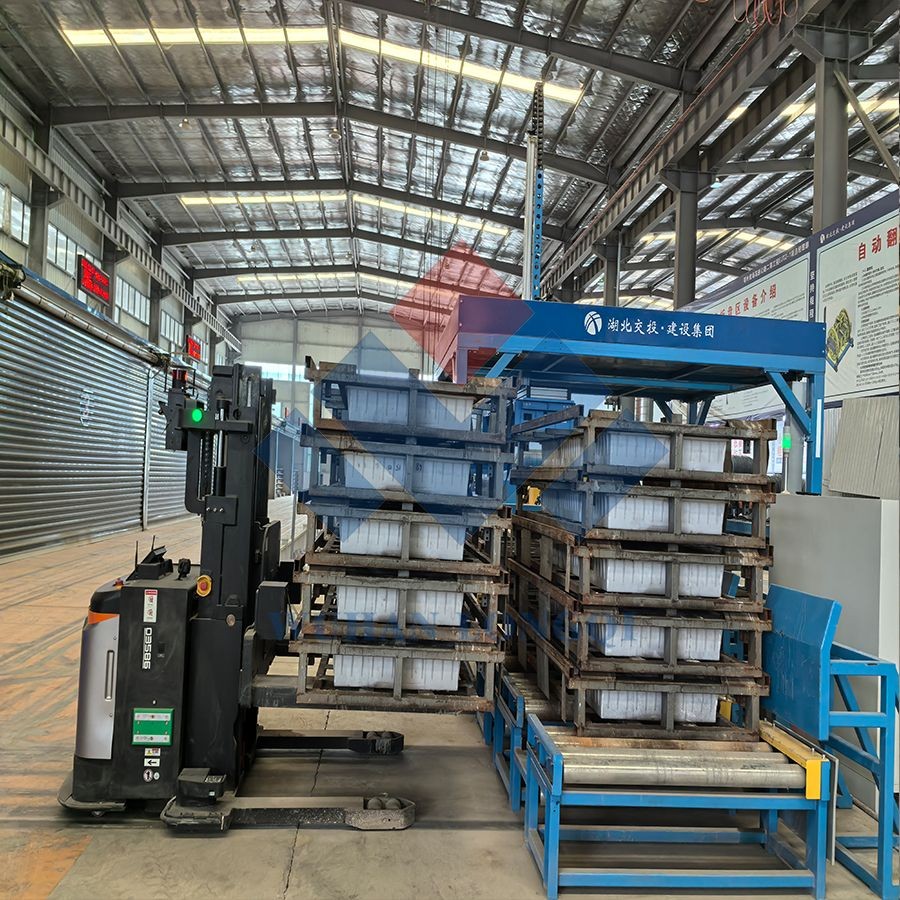
There's also a need for material handlers. They are responsible for loading the raw materials, like aggregates and cement, into the storage silos and feeding them into the production line. They also handle the finished precast products, moving them from the production area to the storage or shipping area. While the automated equipment does a lot of the heavy lifting, there are still some manual tasks involved in getting the materials in and out of the system.
Maintenance Technicians
Maintenance technicians are essential for keeping the production line up and running. They are the ones who perform more in - depth maintenance and repair work when something goes wrong with the machines. They have the skills and knowledge to disassemble and reassemble complex equipment, replace worn - out parts, and perform major overhauls. Without them, a breakdown in the production line could mean a long - term halt in production.
The Number of Workers
The number of workers you'll need depends on the size and complexity of the production line. A small - scale automatic precast concrete production line might require around 5 - 10 workers, including operators, quality control inspectors, material handlers, and a couple of maintenance technicians. On the other hand, a large - scale industrial line could need 20 - 30 workers or more, especially if it's producing a wide variety of precast products.
Another factor that affects the labor requirement is the level of automation. Some automatic production lines are more fully automated than others. For example, our Stationary Production System for Prefabricated Components has a high degree of automation, which means it might need fewer workers compared to a less automated setup.
If you're in the business of building highways or other infrastructure projects, our Highway Cutting Slopes Paving Block Production Line is a great option. It's designed to produce high - quality paving blocks efficiently, and the labor requirements are optimized for this specific application.
In addition to the core production roles, there are also some administrative and support functions. You'll need office staff to handle things like ordering raw materials, managing inventory, and dealing with customers. And you might also need a safety officer to ensure that the workplace is safe for all the workers.
Overall, an automatic precast concrete production line offers a great balance between automation and labor. It reduces the physical labor required, improves productivity, and enhances the quality of the precast products. But it still relies on a team of skilled workers to keep everything running smoothly.
If you're considering investing in an automatic precast concrete production line, I'd be more than happy to discuss your specific needs. Whether you're a small - scale contractor or a large construction company, we can help you find the right solution. Contact us to start a conversation about how our production lines can fit into your business and what the labor requirements would be for your setup.
References
- "Precast Concrete Technology" - A comprehensive guide on precast concrete production methods and technologies.
- Industry reports on the latest trends in automatic precast concrete production lines.


