

Hey there! As a supplier of the Concrete Boundary Grill Production Line, I've seen my fair share of installation and debugging processes. It can be a bit of a headache, but don't worry, I'm here to walk you through it.
First off, let's talk about the initial checks. Once the production line is installed, the very first thing you should do is a visual inspection. Look for any obvious signs of damage during transportation or installation. Check all the connections, whether they're electrical, hydraulic, or mechanical. Loose bolts can cause a whole lot of trouble down the line, so make sure everything's tightened up properly.
Now, electrical systems are crucial. Start by checking the power supply. Ensure that the voltage and frequency match the requirements of the production line. Any mismatch can lead to equipment malfunction or even damage. Next, inspect all the wiring. Look for any frayed wires or loose connections. A simple loose wire can cause intermittent operation or, worse, a short - circuit.
When it comes to the hydraulic system, check the oil level in the reservoir. Low oil can lead to overheating and reduced performance. Also, look for any signs of leaks around the hydraulic cylinders, hoses, and valves. Leaking hydraulic fluid not only makes a mess but can also cause the system to lose pressure and function improperly.
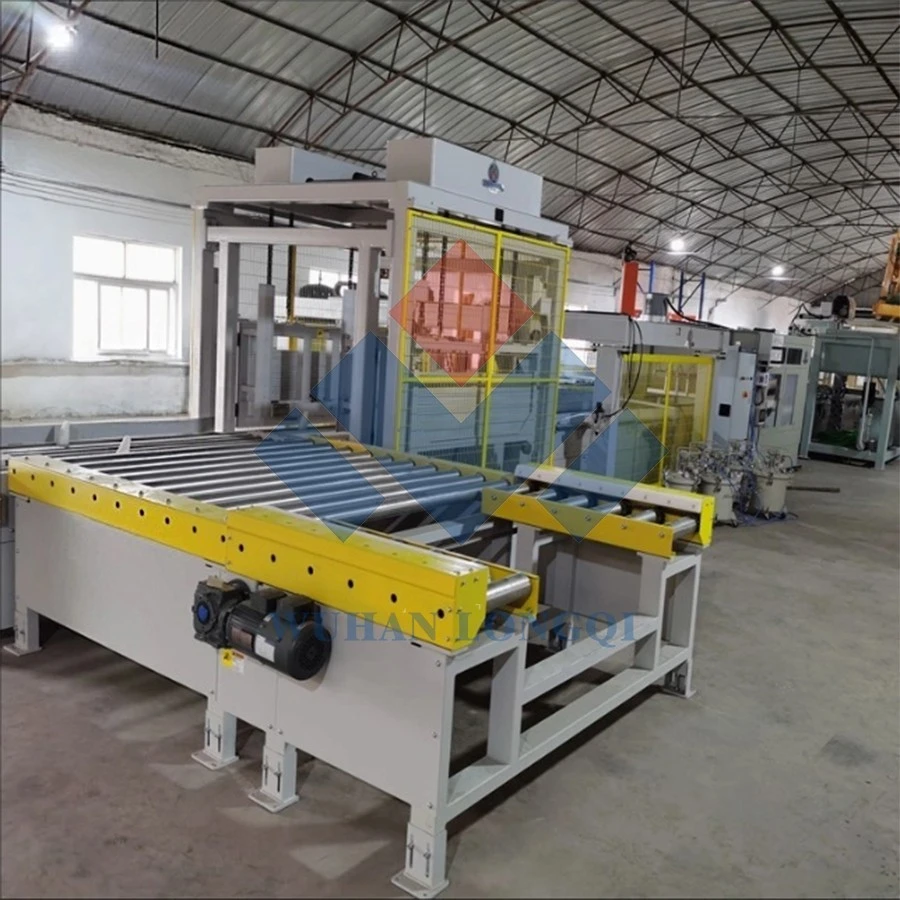
Let's move on to the mechanical components. The conveyor belts are an important part of the production line. Check their tension. If the belts are too loose, they might slip, causing inconsistent movement of the concrete boundary grills. On the other hand, if they're too tight, it can put unnecessary stress on the motors and bearings.
The molds are another critical component. Inspect them for any damage or wear. A damaged mold can lead to defective products. Make sure the mold's surface is clean before starting the production. Any debris or residue can affect the quality of the concrete boundary grills.
Once you've completed these initial checks, it's time for some test runs. Start with a dry run, which means running the production line without any concrete. This allows you to observe the movement of all the components and identify any mechanical issues. Listen for any unusual noises. Grinding, rattling, or screeching sounds can indicate problems with the bearings, gears, or other moving parts.
During the dry run, pay attention to the speed and synchronization of different parts of the production line. For example, the conveyor belts should move at a consistent speed, and the mold - filling mechanism should work in harmony with the conveyor movement. If there are any delays or inconsistencies, it could lead to unevenly filled molds or misaligned products.
After a successful dry run, it's time to introduce some concrete into the system. Start with a small batch. This helps you monitor the flow of concrete through the system. Check how the concrete is being fed into the molds. Is it filling the molds evenly? If not, you might need to adjust the settings of the concrete - feeding mechanism.
Also, observe the vibration process. The vibration is crucial for ensuring that the concrete fills all the nooks and crannies of the mold and gets rid of any air bubbles. If the vibration is too weak, the concrete might not be properly compacted, resulting in porous products. If it's too strong, it could cause the concrete to spill out of the molds.
Throughout the testing process, keep detailed records. Note down any issues you encounter, the time they occur, and the steps you take to address them. This documentation can be extremely helpful in the long run, especially if you need to troubleshoot recurring problems or provide information to the manufacturer for further support.

Now, let's talk about some common problems you might face and how to solve them. One common issue is blockages in the concrete - feeding pipes. This can happen if the concrete is too thick or if there are foreign objects in the mix. To solve this, you can try flushing the pipes with water or using a pipe - clearing tool.
Another problem could be the improper curing of the concrete boundary grills. Curing is essential for the strength and durability of the products. If the curing process is too fast, the concrete might crack. If it's too slow, the products might not reach their full strength. You can adjust the curing conditions by controlling the temperature and humidity in the curing area.
If you're having trouble with the quality of the finished products, such as rough surfaces or uneven edges, it could be due to problems with the molds or the finishing process. Check the molds for any surface imperfections and consider using a better - quality release agent. Also, make sure the finishing tools are in good condition and are being used correctly.
In addition to the Concrete Boundary Grill Production Line, we also offer other related products. For instance, our Automatic Concrete Interlocking Paving Block Production Line is a great option for those looking to produce high - quality paving blocks. And our Circulation Production System for Precast Concrete Elements provides an efficient way to produce various precast concrete products. We also have the Automatic Concrete Boundary Fence Production Line for customers interested in boundary fence production.
Debugging a newly installed Concrete Boundary Grill Production Line can be a challenging but rewarding process. By following these steps and being vigilant during the testing phase, you can ensure that your production line runs smoothly and produces high - quality concrete boundary grills.
If you're interested in purchasing our Concrete Boundary Grill Production Line or any of our other products, feel free to reach out to us for more information and to start a procurement negotiation. We're always here to help you find the best solutions for your production needs.
References
- Industry standards for precast concrete production
- Manufacturer's manuals for the Concrete Boundary Grill Production Line
- Previous experience with similar production line installations and debugging


